Our Dental Blogs

Our dental practice is dedicated to educating you with the latest tips and tricks to maintain your optimal oral health.

Why Are My Gums Bleeding When I Brush? Causes and When to Worry

Blog

Finding a bit of pink in the sink after brushing is unsettling, and it's a question Dr. Eric Yao's Shoreline team hears often. Occasional bleeding isn't always a red flag, but persistent bleeding usually is your gums telling you something needs attention. Here's how to tell the difference and what to do about it.

Is It Normal for Gums to Bleed Occasionally?

A little bleeding when you start a new flossing routine is a normal adjustment response, not a sign of damage. As the tissue toughens up over several days, that spotting typically fades on its own. If bleeding continues well past that initial adjustment period, it's usually a sign that something else, like plaque buildup or overly aggressive brushing, is at play rather than your gums simply getting used to a new habit.


Read More

Best Mouthwash for Gum Disease: A Dentist's Honest Picks

Blog

Patients often ask for one product that will make gum irritation disappear overnight. The honest answer is that no rinse replaces the mechanical work of a toothbrush and floss, but the right mouthwash, used correctly, is a genuinely useful addition to a gum-health routine. Here's how Dr. Eric Yao's Shoreline dental team sorts through the options with patients.

Does Mouthwash Actually Help With Gum Disease?

Mouthwash works as a supplement to brushing and flossing, not a substitute. Antimicrobial rinses reduce the bacterial load in areas your brush can't reach and help disrupt the biofilm that drives gum inflammation. On their own, though, rinses can't remove the plaque and tartar that have already hardened along the gumline, which is why a consistent daily routine matters more than any single product.


    Read More

    What Are the Early Warning Signs of a Failing Root Canal?

    Blog

    Early Warning Signs of a Failing Root Canal

    So, you had a root canal, and things seemed fine for a while. But lately, you've been feeling a bit 'off' with that tooth. It's totally normal to wonder if something's up. While root canals are usually a big win for saving teeth, sometimes they don't quite stick the landing, or new issues pop up later. The good news is, there are usually some early warning signs of a failing root canal that you can look out for. Catching these failed root canal symptoms to watch for early on can make a huge difference in getting things sorted out without too much fuss.


    Read More

    Baby Teeth vs Adult Teeth: What Parents Need to Know

    Blog

    So, you've got a cavity, and now you're faced with a choice: amalgam or composite fillings. It can feel a bit overwhelming, but let's break down the difference between amalgam and composite fillings so you can figure out what's what. Think of it as choosing between the old reliable and the modern upgrade.


    Read More

    Baby Teeth vs Adult Teeth: What Parents Need to Know

    Blog

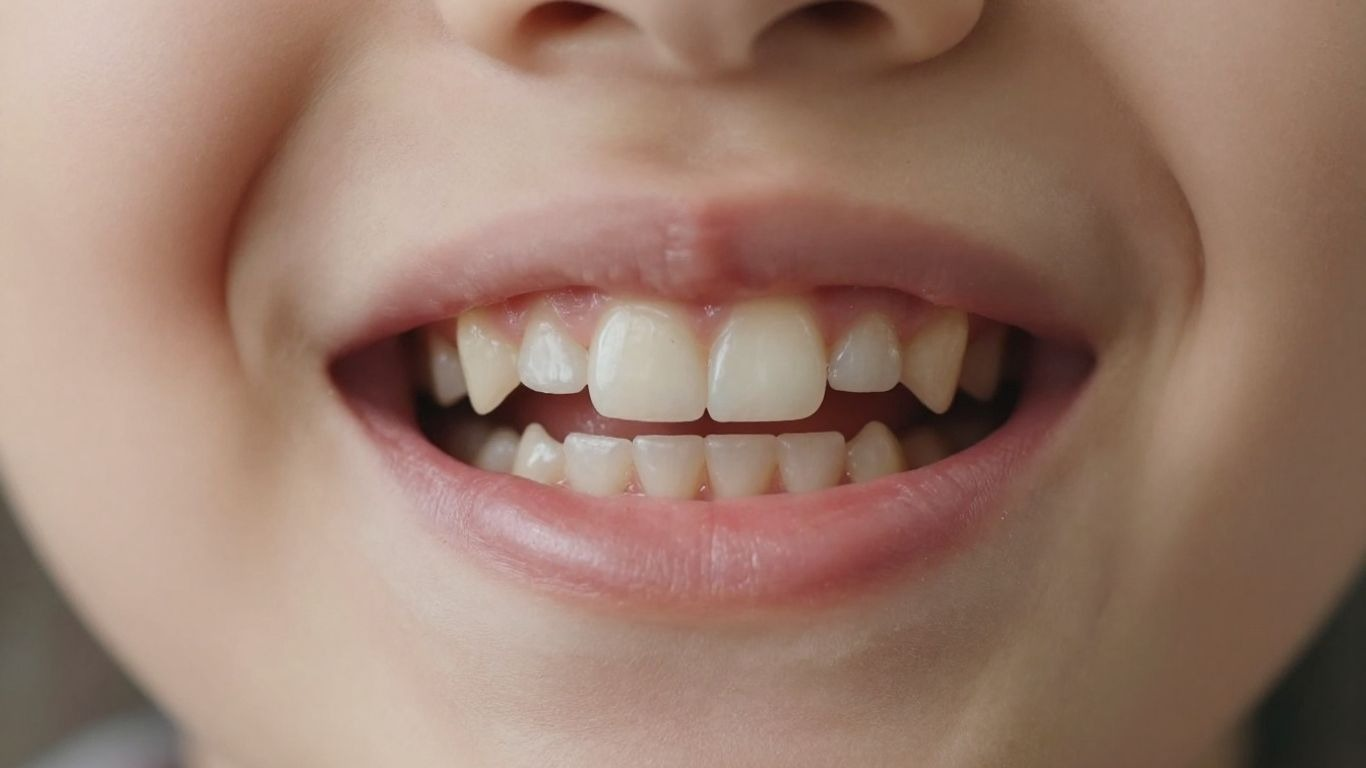
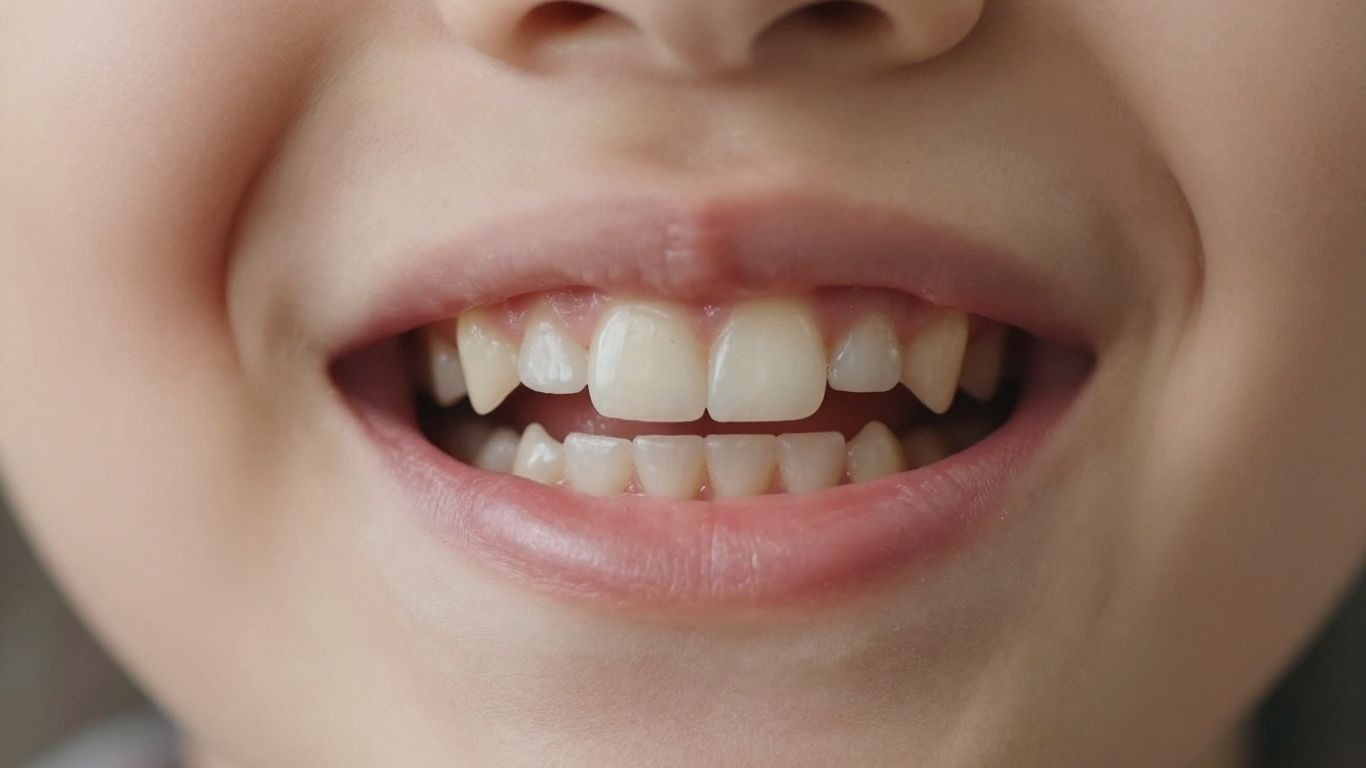
    So, your little one's first tooth has popped through, or maybe they're starting to get a bit wobbly! It's a big deal, but have you ever stopped to think about how those tiny baby teeth are different from the permanent ones that will eventually take their place? Understanding the differences between baby teeth vs adult teeth is super helpful for making sure your child has a healthy smile now and down the road.


    Read More

    What Is TMJ Disorder

    Blog

    So, what is TMJ disorder, really? Basically, it's a catch-all term for problems affecting your jaw joint, the one right in front of your ears, and the muscles that help you move it. These joints are pretty important – they let you chew, talk, and even yawn. When something goes wrong, it's called temporomandibular joint dysfunction, or TMD for short. It's more common than you might think, with millions of people in the US dealing with it, often between their 20s and 40s. The good news is, it's usually treatable and doesn't often lead to long-term issues.


    Read More

    Why Your Child's First Dental Visit Matters More Than You Think

    Blog

    Many parents wonder when they should schedule that first dental appointment for their child, or what to expect when they get there. It might seem like a small thing, but your child's first dental visit is a really big deal. It's not just about checking their baby teeth; it's about setting them up for a lifetime of healthy smiles and positive experiences with dental care. We're here to break down why this early visit matters so much and what you and your little one can expect.


    Read More

    Root Canal Therapy: Busting the Myths and What Really Happens

    Blog

    When you hear the words 'Root Canal Therapy,' what comes to mind? For many, it conjures up images of pain and discomfort, thanks to old stories and maybe some dramatic movie scenes. But the reality of Root Canal Therapy: Busting the Myths and What Really Happens is quite different. Dental procedures have come a long way, and what used to be a dreaded experience is now a common, effective way to save your natural teeth. Let's clear up some of the confusion and talk about what's really going on.


    Read More

    What Does a Dental Crown Look Like?

    blog

    When a tooth needs extra protection or a little cosmetic help, a dental crown is often the solution. But what exactly is a crown, and what does it look like? Many people wonder about the appearance of these tooth caps, especially before and after they are placed. This article breaks down what a dental crown looks like, the materials used, and how they are designed to blend in with your natural smile.


    Read More

    Can Periodontal Disease Be Reversed?

    Blog

    Gum disease, also known as periodontal disease, is a common issue that can affect your oral health. Many people wonder if this condition can be turned around once it starts. The good news is that depending on how far it has progressed, there are ways to manage and even reverse some of the effects of gum disease. Understanding the different stages and what you can do is the first step toward a healthier smile.


    Read More