
What Are the Different Types of Partial Dentures
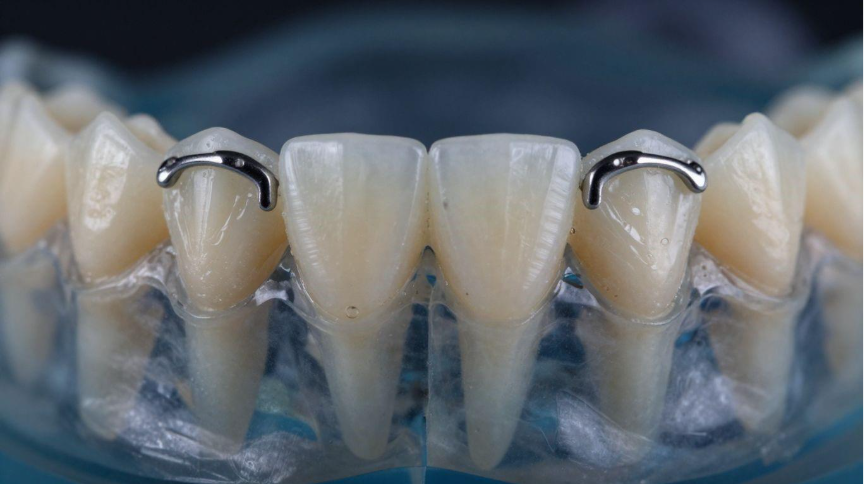
Losing one or even a few teeth can feel like a big deal. It might affect how you chew, how you speak, and, let's be honest, how you feel about your smile. But don't worry, there are ways to fill those gaps. Partial dentures are a common solution, and they're designed to look and work much like your natural teeth. This article will walk you through what a partial denture is, how they work, and the different kinds available to help you figure out what might be best for you.
Key Takeaways
- A partial denture is a dental appliance made to replace one or more missing teeth, fitting in with your remaining natural teeth.
- There are removable and fixed types of partial dentures, each offering different benefits for replacing missing teeth.
- Removable partial dentures can be made from acrylic, metal frameworks, or flexible materials, offering various levels of comfort and durability.
- A fixed partial denture, often called a dental bridge, is permanently attached and cannot be removed by the patient.
- Understanding what a partial denture looks like and the different types available for missing teeth helps in choosing the right option for a restored smile.
Introduction: Restoring Your Smile When Some Teeth Are Missing
Losing one or even a few teeth can feel like a big deal. It might make you feel a bit self-conscious when you smile or laugh, and it can also make eating certain foods a bit tricky. But here's the good news: you don't have to live with those gaps. There are ways to get your smile back to feeling complete and working just like it should.
Partial dentures are a really common and effective way to deal with missing teeth when you still have some of your own natural ones left. Think of them as custom-made replacements that fit right in, filling those spaces and making your smile look whole again. They're designed to look natural and help you chew and speak without any trouble.
The main goal with partial dentures is to restore both the look and the function of your mouth, making everyday activities like eating and talking feel normal again.
It's not just about appearance, though. When you have missing teeth, the ones next to the gap can start to drift or tilt over time. This can mess up your bite and even cause problems with your jaw. Partial dentures help prevent this by giving your remaining teeth the support they need to stay put. They're a smart way to keep your whole mouth healthy and functioning well for the long haul.
What Are Partial Dentures and How Do They Work?
So, you've got a gap where a tooth or a few teeth used to be, and you're wondering about options. That's where partial dentures come in. Simply put, a partial denture is a dental device designed to fill in the spaces left by missing teeth. Think of it as a custom-made replacement that fits snugly among your remaining natural teeth.
How does it actually work? Well, a partial denture usually has a base, often made of acrylic that matches your gum color, and artificial teeth attached to it. The clever part is how it stays put. Most partial dentures use small metal or plastic clasps that hook onto your existing teeth. These clasps help hold the denture securely in place, so you can eat, speak, and smile with more confidence. It's not a permanent fixture like a bridge or implant, meaning you can take it out for cleaning, which is a big plus for keeping things hygienic.
There's also something called a fixed partial denture, which is essentially a dental bridge. This type is permanently attached to your natural teeth or implants and can't be removed by the patient. It's a different approach, but when people talk about 'partial dentures' in the removable sense, they're usually referring to the kind you take in and out.
When you see what a partial denture looks like, you'll notice it's designed to blend in. The artificial teeth are chosen to match the shade and shape of your natural ones, and the base is colored to look like your gums. The goal is to make it look as natural as possible, so it's hard for anyone else to tell you're wearing one.
Here's a quick rundown of how they function:
- Filling Gaps: They prevent your other teeth from shifting into the empty spaces, which can cause bite problems down the road.
- Restoring Function: Chewing becomes easier and more comfortable.
- Improving Speech: Missing teeth can sometimes affect how you pronounce certain words; a partial denture helps with that.
- Aesthetics: They bring back a fuller, more complete smile.
The whole idea is to give you back the function and appearance of a full set of teeth without needing to replace every single one. It's a practical solution for many people dealing with tooth loss.
Why Partial Dentures Are a Beneficial Tooth Replacement Option
Losing even one tooth can throw things off balance in your mouth. It's not just about how your smile looks; it affects how you chew, speak, and even the shape of your face over time. Partial dentures step in as a really practical way to fix these issues when you're not missing all your teeth.
One of the biggest pluses is that they help keep your remaining teeth from shifting around. When there's a gap, your other teeth might start to drift into that space, causing bite problems and making them harder to clean. A partial denture acts like a placeholder, keeping everything where it should be. This simple act of filling a gap can prevent a cascade of other dental issues down the road.
Beyond just keeping things stable, partial dentures really help with everyday functions. Eating becomes easier because you have more surfaces to chew with, and speaking is clearer without that awkward gap. They also provide support for your facial muscles. Without teeth, the muscles in your cheeks can start to sag, making your face look a bit hollowed out. Partial dentures help maintain that structure.
Here’s a quick look at some key benefits:
- Restored Function: Chew and speak more comfortably.
- Improved Appearance: Get a more complete, natural-looking smile back.
- Prevents Tooth Movement: Stops neighboring teeth from drifting.
- Facial Support: Helps maintain the shape of your face.
- Less Invasive: Usually doesn't require surgery.
- Removable: Easy to take out for cleaning.
They're also a more affordable choice compared to some other tooth replacement options, like implants, and they don't typically involve a lengthy surgical process. For many people, they strike a good balance between effectiveness, cost, and convenience.
The Main Types of Partial Dentures
When you're looking at options for missing teeth, there are a few main types of partial dentures to consider. Each has its own way of working and materials used, which can affect how they feel and how long they last.
The most common types are removable partial dentures, which are designed to be taken out for cleaning. These are usually made with a base that matches your gum color, artificial teeth that look like your natural ones, and some kind of support to hold them in place.
Here's a breakdown of the different types of partial dentures for missing teeth:
- Acrylic Partial Dentures: These are often the most budget-friendly choice. They have a pink acrylic base with the replacement teeth attached. Sometimes, they use flexible metal clasps to grip onto your remaining teeth. While they can fill gaps, they might feel a bit bulkier and aren't always as stable or durable as other options. They can be a good temporary fix or a way to try out a partial denture.
- Cast Metal Framework Partial Dentures: These are a really popular and sturdy option. They have a strong, thin metal framework that fits precisely. This framework supports the acrylic base and the artificial teeth. Because the metal is strong and thin, these dentures tend to be more comfortable, fit better, and last longer. They often use clasps that are less noticeable than those on acrylic-only dentures, or sometimes they use special attachments for a very secure fit.
- Flexible Partial Dentures: Made from a special type of plastic, these are known for being more comfortable and less noticeable because they don't have the rigid metal framework or clasps. They can adapt well to the shape of your mouth and are a good choice if you have metal allergies or prefer a more discreet look. They are often used for shorter periods or when a metal framework isn't suitable.
Choosing the right type of partial denture really depends on your specific needs, the number of teeth missing, and what feels most comfortable for you. It's a good idea to talk through these options with your dentist to figure out the best fit for your smile.
How Partial Dentures Are Customized for Comfort and Function
Getting partial dentures made is a pretty personal process, and for good reason. It's not like buying something off the shelf; these are made just for you. The whole point is to make them fit well and feel natural, so you can eat, talk, and smile without a second thought.
It starts with your dentist taking really detailed impressions of your mouth. Think of it like a precise map of your teeth and gums. This ensures the new denture fits snugly into the spaces left by missing teeth and rests comfortably against your existing ones. They also look at how your bite comes together, making sure everything aligns properly.
Several things go into making them comfortable and functional:
- Materials: Dentures can be made from different stuff, like sturdy metal frameworks, flexible resins, or even acrylics. The choice of material affects how they feel, look, and how long they last. For instance, flexible dentures often don't have those metal clasps, which can feel more natural and be better if you have metal sensitivities.
- Fit: This is probably the most important part. A well-fitting denture won't slip around when you talk or eat. It should feel secure. If it feels a bit off, your dentist can usually make adjustments.
- Clasps or Attachments: How the denture stays in place is key. Traditional ones use metal clasps that hook onto your natural teeth. Newer types might use 'precision attachments,' which are tiny mechanical connectors that are much less visible and can offer a more stable fit. The goal is to make them look and feel as much like your own teeth as possible.
After the impressions are taken, you might have a try-in stage. This is where you get to see a preliminary version, often made of wax, to check the shape, size, and how it looks before the final one is created. Your dentist will check how it feels, how it looks with your smile, and make sure it doesn't interfere with your bite. Once the final denture is ready, there's usually a fitting appointment where they'll make any final tweaks to ensure it's comfortable and works well for you.
It takes a bit of time and several steps to get a partial denture just right. This careful customization is what makes them a great option for replacing missing teeth, helping you get back to enjoying your daily life with confidence.
Making the Right Choice for Your Smile
So, after looking at all the different kinds of partial dentures out there, it's pretty clear there are options for just about everyone. Whether you're leaning towards a more budget-friendly acrylic, a sturdy metal-based one, or a super comfortable flexible type, the main thing is finding what works best for your mouth and your life. It’s not a one-size-fits-all deal, and that’s okay. The best next step is always to chat with your dentist. They can really help you figure out the pros and cons of each type based on your specific situation, making sure you end up with a smile you love and that works great for you. Contact Dr. Eric Yao, DDS, today to explore your partial denture options and restore your smile with confidence.
Frequently Asked Questions
What exactly is a partial denture?
A partial denture is like a custom-made replacement for one or more missing teeth. It's designed to fit in with your natural teeth, helping you chew, speak, and smile with more confidence. It's called 'partial' because it only replaces some, not all, of your teeth.
What are the main kinds of partial dentures?
There are a few main types. Some are removable, meaning you can take them out to clean them. These include acrylic dentures (often a more budget-friendly choice), cast metal dentures (known for being strong and durable), and flexible dentures (which are very comfortable and blend in well). There are also fixed options, like dental bridges, that are permanently attached.
How do partial dentures stay in place?
Most removable partial dentures have small clasps or hooks that gently grip onto your nearby natural teeth. This helps keep the denture secure in your mouth. Some types use special attachments that connect to crowns on your natural teeth for an even more stable fit.
How long do partial dentures usually last?
With good care and regular dental check-ups, partial dentures can often last for about 5 to 10 years. However, this can vary depending on the type of denture, the materials used, and how well you look after them. Things like changes in your mouth or wear and tear can mean they need replacing sooner.
Do partial dentures look natural?
Yes, they are made to look very natural! The artificial teeth are carefully chosen to match the color and shape of your existing teeth, and the base is often made to look like your gums. Modern materials, especially for flexible and precision dentures, offer excellent, realistic results.
Is it hard to get used to wearing a partial denture?
It often takes a little time to get used to any new dental appliance. You might feel a bit strange at first, and it could take a week or two to feel completely comfortable speaking and eating normally. Your dentist will help make sure it fits as well as possible to make this adjustment period smoother.
Blog Post Author

Contributed by DentalROI
DentalROI provides relevant dental content to help providers educate patients. The statements, services, and products referenced in this article have not been evaluated by the Food and Drug Administration, and they are not intended as a substitute for professional medical advice, diagnosis, or treatment. Always seek the advice of your dental provider with any questions or issues you may have. Specific recommendations may vary in different circumstances, so individual consultation is important.