
What Are the Early Warning Signs of a Failing Root Canal?
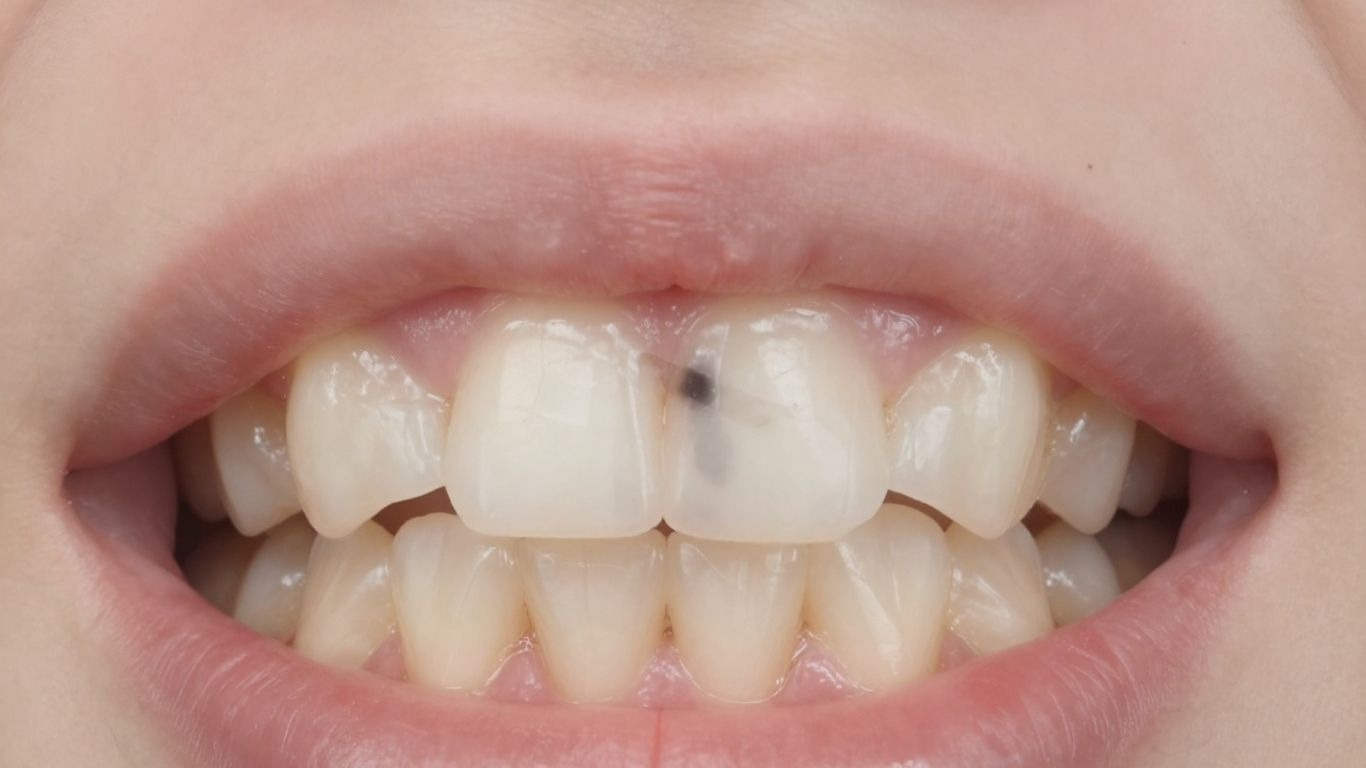
Early Warning Signs of a Failing Root Canal
So, you had a root canal, and things seemed fine for a while. But lately, you've been feeling a bit 'off' with that tooth. It's totally normal to wonder if something's up. While root canals are usually a big win for saving teeth, sometimes they don't quite stick the landing, or new issues pop up later. The good news is, there are usually some early warning signs of a failing root canal that you can look out for. Catching these failed root canal symptoms to watch for early on can make a huge difference in getting things sorted out without too much fuss.
Failed Root Canal Symptoms to Watch For
It's easy to brush off a little twinge here and there, but if you're noticing a pattern, it's worth paying attention. These aren't usually sudden, dramatic events, but more like persistent little nudges from your body telling you something's not quite right.
- Lingering Pain or Discomfort: A little soreness right after the procedure is one thing, but if that tooth starts aching again, or you feel a dull throb that just won't quit, that's a big clue. This pain might get worse when you bite down or chew.
- Gum Swelling or Tenderness: You might notice a little bump on your gums near the treated tooth, or the gum area just feels tender and swollen. Sometimes this bump can even drain a bit – it's a sign that infection might be trying to make a comeback.
- Sensitivity to Temperature: Even though the nerve is gone, the tissues around the tooth can still react. If you suddenly find that tooth is super sensitive to hot or cold drinks or food again, take note.
- A Feeling of Pressure: Some people describe a weird, persistent pressure or a feeling that the tooth is just 'off' or 'higher' than the others. It's a subtle but noticeable change.
- Tooth Discoloration: The tooth might start to look a bit darker or more greyish compared to your other teeth. This can happen if the pulp inside has degraded.
If you're experiencing any of these symptoms, especially if they're persistent or getting worse, it's really important to get it checked out by your dentist sooner rather than later. Ignoring these signs can lead to bigger problems down the road.
How to Know If Your Root Canal Failed
Figuring out if a root canal has truly failed often comes down to a combination of what you're feeling and what your dentist can see. It's not always a clear-cut answer right away, but these signs are your best indicators.
- Persistent Pain: As mentioned, ongoing pain is a major red flag. It suggests that the infection wasn't fully cleared, or new bacteria have found their way in.
- Visible Swelling or a Gum Boil: That little bump on the gum, sometimes called a fistula or gum boil, is a classic sign that your body is trying to drain an infection from the root tip.
- Recurrent Infection Symptoms: This could include bad breath or a bad taste in your mouth that seems to come from that specific tooth, even after brushing.
- Radiographic Evidence: Your dentist will likely take X-rays. If the root canal failed, the X-ray might show a dark spot at the tip of the root, indicating bone loss due to infection.
Basically, if that tooth starts acting up again after a period of being fine, or if it never quite felt 'right' after the procedure, it's time to get it looked at. Don't hesitate to call your dentist – they're there to help figure out what's going on.
Signs Your Root Canal Treatment Has Failed
So, you had a root canal, and things seemed fine for a while. But lately, you've been feeling some familiar twinges or noticing changes around that tooth. It's definitely unsettling when you thought a problem was fixed, only for it to pop up again. Recognizing the signs that your root canal treatment might be failing is super important so you can get it checked out before things get worse.
What Happens When a Root Canal Fails?
When a root canal doesn't quite do the trick, it usually means that the infection or inflammation wasn't fully cleared up, or it's found a way back in. This can happen for a few reasons, like if there were tiny canals that were missed during the initial treatment, or if new decay forms under a filling or crown. Sometimes, even a microscopic bit of bacteria left behind can start causing trouble down the road. It doesn't always mean the dentist did a bad job; teeth can just be tricky, and sometimes they need a second look.
How to Know If Your Root Canal Failed
How do you know if that tooth you thought was saved is actually giving you trouble again? Keep an eye out for these common indicators:
- Lingering or Returning Pain: This is probably the biggest clue. You might feel a dull ache, sharp pain, or just general discomfort, especially when you bite down or chew. It's that feeling you had before the root canal, coming back to say hello.
- Swelling or Tenderness: Notice any puffiness in your gums around the treated tooth? Sometimes, you might even see a small, pimple-like bump on your gums. This can be a sign that infection is trying to drain.
- Sensitivity to Temperature: Even though the nerve is gone, you might still feel sensitivity to hot or cold, especially if the surrounding tissues are inflamed.
- Discoloration: The tooth might start to look a bit darker or more grayish than your other teeth.
- A Feeling of Pressure: Some people describe a persistent feeling of pressure or heaviness in the tooth, even when they aren't eating.
If you're experiencing any of these symptoms, especially if they're persistent or getting worse, it's definitely time to call your dentist. Don't just tough it out – getting it checked early can make a big difference.
Your dentist will likely use X-rays or other imaging to get a clear picture of what's going on inside and around the tooth. They're looking for any signs of infection or issues with the previous treatment.
Why Do Root Canals Fail?
Even though root canals are super common and usually work great, sometimes they just don't last forever. It's not always about something going "wrong" during the procedure; teeth can just change over time, or things can happen that weren't expected. Thinking about what happens when a root canal fails can be a bit worrying, but understanding the reasons can help you spot problems early.
How Soon After a Root Canal Can It Fail?
Honestly, there's no set timeline for when a root canal might start acting up. Some issues can pop up relatively soon after the treatment, while others might not show themselves for years. It really depends on the cause. A missed tiny canal or a new crack could cause trouble much faster than, say, slow decay creeping under a filling.
Here are some common reasons why a root canal might not be successful long-term:
- New Decay: Yep, cavities can still happen! If decay forms under a crown or filling, it can let bacteria sneak back into the tooth, causing a whole new set of problems.
- Reinfection: Sometimes, even with the best cleaning, a few microscopic bacteria might hang out. Over time, these little guys can multiply and cause an infection, even months or years later.
- Hidden Canals: Teeth can be tricky. Some have extra little canals that are super hard to find and clean out, even with fancy tools. If these aren't treated, they can become a hiding spot for infection.
- Cracks or Fractures: If the tooth develops a crack, even a small one, it opens the door for bacteria to get into the inner parts of the tooth.
- Issues with the Filling: If the filling material used to seal the canals wasn't placed perfectly – maybe it was too short, too long, or just not sealed well – it can create pathways for bacteria.
- Problems with the Crown/Filling: The cap or filling on top of the tooth is supposed to protect it. If it gets damaged, leaks, or comes loose, it's like leaving the front door wide open for germs.
It's important to remember that a root canal is designed to save a tooth that's already pretty damaged. Even with the best care, a tooth that's been through a root canal might be a bit more vulnerable than a perfectly healthy one. Think of it like a repaired bone – it's strong, but maybe not quite as resilient as it was before the break.
Sometimes, the issue isn't necessarily a mistake but just the tooth's anatomy being more complex than initially thought. Advanced imaging and a skilled endodontist can often figure these things out, but it's a possibility.
What to Do If You Have a Failing Root Canal
So, you've been through the whole root canal ordeal, and now you're wondering if it's all been for nothing. It's a valid concern! If you're noticing some of those pesky symptoms popping up again, like persistent pain, swelling around the tooth, or a weird bump on your gums, don't just ignore it. That tooth might be trying to tell you something.
Can a Failed Root Canal Be Treated Again?
Good news! A root canal failing doesn't automatically mean you're looking at an extraction. Often, the tooth can be saved with a procedure called root canal retreatment. Think of it like a do-over for the original treatment. An endodontist, who's basically a root canal specialist, will take a look.
Here's generally what happens during retreatment:
- Opening it Up Again: The dentist will carefully go back into the tooth, removing the old filling material and any sealants that were used.
- Cleaning and Disinfecting: They'll thoroughly clean out the root canals again, getting rid of any lingering infection or bacteria that might have caused the problem.
- Refilling and Sealing: Once everything is squeaky clean, the canals are refilled with new material and sealed up tight.
- Restoration: Usually, you'll need a new crown or filling to protect the tooth afterward.
Sometimes, if the problem is really tricky or located at the very tip of the root, a different procedure called an apicoectomy might be recommended. This involves removing a tiny bit of the root tip and cleaning out the infection there.
It's really important to get checked out if you suspect your root canal isn't holding up. Letting an infection linger can lead to bigger issues, like bone loss around the tooth or even spreading the infection. Acting fast gives you the best shot at saving your tooth and avoiding more complicated treatments down the line.
Don't hesitate to call your dentist or an endodontist if you're experiencing any of the warning signs. They can figure out exactly what's going on and discuss your options. It's way better than just hoping the pain goes away on its own!
Conclusion
So, if you've had a root canal and start noticing some weird stuff happening with that tooth, don't just ignore it. Things like pain that won't quit, swelling, or your tooth looking a bit off are signals. It's way better to get it checked out sooner rather than later. Usually, your dentist or a root canal specialist can figure out what's going on and fix it, maybe with a second treatment. Catching it early can save you a lot of trouble and keep your tooth in your mouth where it belongs.
Frequently Asked Questions
What does a failing root canal feel like?
It can feel like a toothache that just won't go away, or maybe a sharp pain when you bite down. Sometimes, the gums around the tooth get puffy or tender. You might even notice the tooth looking darker than the others.
Why would a root canal fail?
Sometimes, even with the best care, tiny germs can hide in small spots that were hard to clean, or new germs can get in later. It could also be that the tooth wasn't sealed up perfectly after the first treatment.
Can you get a root canal done again?
Yes, you absolutely can! Dentists call this 'retreatment.' They go back in, clean out the old stuff, and try to fix the problem again. It's often successful in saving the tooth.
How soon after a root canal can it fail?
It's different for everyone. Some problems might pop up within weeks or months, while others might not show up for years. It really just depends on what's going on with the tooth.
Is a failing root canal an emergency?
If you have a lot of pain, swelling that's getting worse, or trouble breathing or swallowing, then yes, it's an emergency. For less severe pain, it's still important to see a dentist soon, but maybe not rush to the ER.
What happens if you don't treat a failing root canal?
If you leave it untreated, the infection can get worse. It might spread to other parts of your mouth or even your jawbone. In the worst case, you might lose the tooth altogether.
Blog Post Author

Contributed by DentalROI
DentalROI provides relevant dental content to help providers educate patients. The statements, services, and products referenced in this article have not been evaluated by the Food and Drug Administration, and they are not intended as a substitute for professional medical advice, diagnosis, or treatment. Always seek the advice of your dental provider with any questions or issues you may have. Specific recommendations may vary in different circumstances, so individual consultation is important.