
Root Canal Therapy: Busting the Myths and What Really Happens
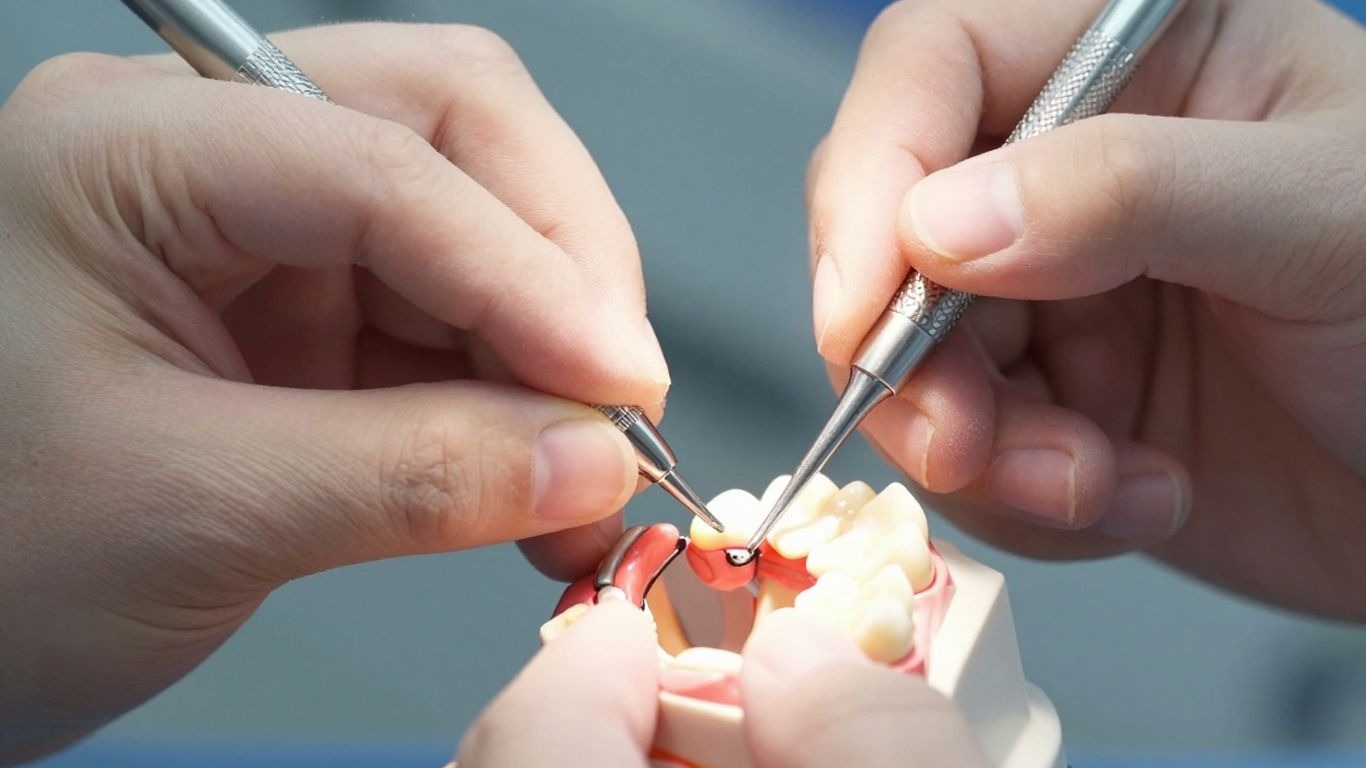
When you hear the words 'Root Canal Therapy,' what comes to mind? For many, it conjures up images of pain and discomfort, thanks to old stories and maybe some dramatic movie scenes. But the reality of Root Canal Therapy: Busting the Myths and What Really Happens is quite different. Dental procedures have come a long way, and what used to be a dreaded experience is now a common, effective way to save your natural teeth. Let's clear up some of the confusion and talk about what's really going on.
What You Should Know
- Root canal treatment is often misunderstood and feared, but modern procedures are designed to relieve pain, not cause it.
- Local anesthesia is used during root canals, making the procedure similar to getting a dental filling in terms of comfort.
- Saving your natural tooth with root canal therapy is usually better than extracting it and needing a replacement later.
- Claims that root canals cause illness have no scientific backing; in fact, they help eliminate infection.
- With proper care, a tooth that has had root canal therapy can last for many years, even a lifetime.
What Is Root Canal Therapy?
Okay, so let's talk about root canal therapy. Basically, it's a dental procedure designed to fix a tooth that's got some serious internal problems. Think of the inside of your tooth like a tiny, soft core called the pulp. This pulp contains nerves and blood vessels, and when it gets infected or inflamed – usually from a deep cavity, a crack, or an injury – it can cause a whole lot of trouble.
The main goal of a root canal is to save your natural tooth from needing to be pulled out. Instead of just yanking it, dentists can go in, clean out the damaged stuff from the inside, and then seal it all up. It's like giving your tooth a deep clean and a protective seal from the inside out.
Here's a general idea of what goes down:
- Numbing Up: First things first, the dentist makes sure the area is completely numb. Seriously, you shouldn't feel any pain during the procedure itself.
- Cleaning Out the Mess: They'll make a small opening in the tooth to get to the pulp chamber. Then, they carefully remove the infected or damaged pulp.
- Making it Sparkly Clean: The inside of the tooth, the root canals, get thoroughly cleaned and disinfected. This is super important to get rid of all the bad stuff.
- Filling 'er Up: Once it's clean, the empty space is filled with a special, biocompatible material. This seals the canals and stops any new nasties from getting in.
- Sealing the Deal: Finally, the tooth is sealed up, often with a filling or a crown. This protects the tooth and gets it back to being strong enough to do its job.
It's a way to keep your own tooth in your mouth, which is usually way better than losing it and dealing with replacements down the line. It sounds scarier than it often is, especially with today's dental tech.
Common Root Canal Myths You Should Stop Believing
Okay, let's talk about root canals. If you're like most people, just hearing the words can make you a little uneasy. There's a lot of old information and scary stories floating around about this dental procedure, and honestly, it's given root canals a really bad reputation. But here's the thing: dentistry has come a loooong way. What might have been true decades ago just isn't the case anymore. We're here to clear up some of the biggest myths so you can understand what's really going on.
Myth 1 – Root Canals Are Extremely Painful
This is probably the biggest one. People imagine this procedure being worse than anything. But honestly, the pain you might be feeling before a root canal is usually way worse than the procedure itself. Think about it – a toothache can be pretty miserable, right? A root canal is actually designed to fix that pain by getting rid of the infection or damage inside your tooth. Modern dentistry uses really effective numbing stuff (local anesthesia), so you'll be comfortable the whole time. Most folks say it feels pretty similar to getting a filling done. The relief you feel afterward is usually pretty immediate.
Myth 2 – It's Better to Pull the Tooth
Pulling a tooth might seem like the easy way out, but keeping your natural teeth is almost always the best plan. Your natural teeth help you chew properly, keep your jawbone healthy, and, well, they look like your teeth. If you pull a tooth, you often end up needing something to fill the gap, like a bridge or an implant. Those can be more complicated and costlier down the road than saving your original tooth with a root canal. A root canal lets us save the tooth, clean it up, and get it back to doing its job.
Myth 3 – Root Canals Cause Illness
This myth is a bit wild and has roots in some old, discredited studies from way back when. The idea is that a root canal somehow makes you sick or causes other health problems. That's just not true. In fact, a root canal is meant to get rid of an infection that's already in your tooth. By cleaning out that infected stuff and sealing the tooth, we're actually stopping bacteria from causing more trouble. Leaving an infected tooth untreated is what can lead to bigger health issues, not the treatment to fix it.
Myth 4 – You Only Need a Root Canal If You're in Pain
While pain is a big sign that something's wrong, it's not the only sign. Sometimes, a tooth can be infected or damaged without causing a lot of obvious pain. You might notice some sensitivity to hot or cold, or maybe your tooth looks a little darker. Other times, you might not feel anything at all until the problem gets pretty serious. That's why regular dental check-ups are so important. Your dentist can spot issues early, sometimes before you even feel them, and recommend a root canal when it's the best way to save your tooth.
What Really Happens During a Root Canal Procedure Explained
Okay, so you're wondering what actually goes down when you need a root canal. Forget those old horror stories you might have heard. Modern dentistry has totally changed the game, making it way less scary and a lot more comfortable than you'd think.
First off, your dentist is going to make sure you're completely numb. We're talking local anesthetic, so you shouldn't feel any pain during the actual work. You might feel some pressure or vibrations, but if anything starts to hurt, just let them know, and they can add more numbing stuff. Seriously, communication is key here.
Here’s a general rundown of the steps involved:
- Diagnosis: They'll take X-rays and do a check-up to be absolutely sure a root canal is what you need.
- Numbing Up: Like we said, the area gets thoroughly numbed.
- Isolation: A small rubber sheet, called a dental dam, is usually placed around the tooth. This keeps things clean and dry.
- Access: A tiny opening is made in the top of the tooth to get to the inside.
- Cleaning Out: The infected or damaged pulp (that's the soft stuff inside) is carefully removed. Then, the inside of the tooth, the root canals, are cleaned, shaped, and disinfected.
- Filling In: The cleaned-out canals are filled with a special, biocompatible material, usually something called gutta-percha. This seals everything up.
- Sealing the Deal: Finally, the small opening is closed with a filling. Often, a crown is recommended afterward to protect the tooth and make it strong again for chewing.
The whole point is to get rid of the infection or damage inside the tooth, stop the pain, and save your natural tooth from needing to be pulled. It's a way to keep your smile intact and functioning.
It might sound like a lot, but dentists do this all the time. They use special tools and techniques to make it as smooth as possible. The goal is to relieve your pain and get your tooth back in working order.
Is Root Canal Painful? Here's the Truth
Okay, let's talk about the elephant in the room: pain. When people hear "root canal," they often picture a medieval torture device. But honestly, that's a total myth from way back when. The truth is, modern dentistry has made root canals way less scary than you might think.
Think about it this way: the pain you're feeling before a root canal is usually from the infection or inflammation in your tooth. The procedure itself? It's designed to stop that pain. Your dentist will give you plenty of local anesthetic – way more than for a regular filling – to make sure the area is completely numb. You might feel some pressure or vibrations, sure, but actual pain? That's not the goal, and it's usually not what happens.
Here's a quick rundown of what to expect regarding discomfort:
- During the procedure: With good anesthesia, you shouldn't feel sharp pain. If you do, just let your dentist know, and they can give you more numbing medicine.
- Immediately after: You might feel a bit sore or tender, kind of like after a deep cleaning. Over-the-counter pain relievers usually do the trick.
- A few days later: Most people feel significantly better. Any lingering sensitivity is typically mild and fades quickly.
The biggest misconception is that the root canal causes the pain. In reality, it's the infected tooth that's the culprit, and the root canal is the solution to get rid of that pain and save your tooth.
So, while there might be some temporary soreness as your mouth heals, the idea of a root canal being excruciatingly painful is pretty outdated. It's a procedure aimed at relieving your pain, not causing more of it.
Signs You Might Need Root Canal Therapy
Okay, so you're probably wondering how you'll know if you actually need a root canal. It's not always a screaming toothache, you know. Sometimes, it's a bit more subtle.
Here are some things to keep an eye out for:
- Sudden sensitivity to hot or cold foods and drinks. If your tooth starts yelping every time you sip your coffee or bite into an ice cream cone, that's a big clue. This sensitivity might linger even after the hot or cold thing is gone.
- Pain when you chew or put pressure on the tooth. This can feel like a sharp jab or a dull ache. It's your body's way of saying, "Hey, something's not right in here!"
- A little bump or pimple on your gums. Seriously, it might look like a zit. This is called a fistula, and it's actually a sign that your tooth has an infection. The good news is it can drain pus, which sometimes means you won't feel much pain because the pressure is released. But don't let that fool you – the infection still needs treatment.
- Your tooth looks a bit… off. Maybe it's chipped, cracked, or even looks darker than your other teeth. These can all be signs that the inside of your tooth is in trouble.
- Your gums are swollen or feel tender. If your gums around a specific tooth are puffy or sore to the touch, it's worth getting checked out.
It's super important to remember that not all infected teeth scream for attention. Sometimes, the pain is minimal or even non-existent, especially if that little gum pimple is doing its job of releasing pressure. Don't wait for agony to strike before you call your dentist. Catching things early is key to saving your tooth and keeping the infection from spreading.
If any of these sound familiar, don't just ignore them. It's best to get it checked out by your dentist sooner rather than later. They can figure out what's going on and get you sorted.
Book Your Root Canal Consultation Today
So, you've been reading up on root canals, maybe even thinking you might need one. It's totally normal to feel a bit unsure, especially with all the old stories floating around. But here's the thing: modern dentistry has come a long way, and getting your tooth fixed doesn't have to be a big, scary ordeal.
If you're experiencing any of those tell-tale signs – like a toothache that just won't quit, sensitivity to hot or cold that makes you wince, or maybe a little bump on your gums – it's probably time to get it checked out. Ignoring it usually just makes things worse, and honestly, nobody wants that.
Taking that first step to book a consultation is the easiest way to get clear answers and figure out your best path forward. We're here to walk you through everything, explain what's happening in plain English (no confusing jargon, promise!), and make sure you feel comfortable and confident about your options. We use the latest tools and techniques to make the whole process as smooth and quick as possible.
Think of it this way:
- Get the facts: We'll do a thorough check-up and explain exactly what's going on with your tooth.
- Discuss your options: We'll go over the treatment plan, what to expect, and answer all your burning questions.
- Feel reassured: Our team is all about making you feel at ease, from the moment you walk in until you leave with a plan.
Don't let outdated myths or a little bit of worry keep you from saving your natural tooth and getting rid of that discomfort. Give us a call or reach out online to schedule your appointment. We're ready to help you get back to feeling great.
So, What's the Real Deal with Root Canals?
Alright, so we've talked a lot about root canals, and hopefully, you're feeling a lot less worried. The biggest takeaway here is that those old stories about root canals being super painful? Mostly just myths. Modern dentistry has come a long way, and thanks to good numbing stuff and better techniques, it's usually way more comfortable than people think. It's really about saving your tooth and getting rid of that nasty infection. So, if your dentist suggests it, don't let the fear get the best of you. It's a common procedure that can save you a lot of trouble down the road.
Frequently Asked Questions
Are root canals really as painful as people say?
Many people worry that root canals are super painful, but that's mostly an old myth. Today's dental treatments use numbing medicine, so you shouldn't feel much pain during the procedure itself. Often, the pain you feel is from the toothache before the root canal, and the treatment actually helps relieve that pain!
What's the main reason people get root canals?
You usually need a root canal when the soft stuff inside your tooth, called the pulp, gets infected or damaged. This can happen from a deep cavity, a crack in the tooth, or even an injury. If it's not treated, the infection can cause a lot of pain and might even lead to losing the tooth.
How is a root canal different from pulling a tooth?
Pulling a tooth might seem easier, but keeping your natural tooth is almost always better. A root canal cleans out the infection and saves your tooth, so you can keep chewing normally and your smile looks natural. If you pull a tooth, you might need other treatments later, like implants or bridges, which can be more costly and take more time.
Can a root canal make me sick?
That's a common worry, but there's no real proof that root canals cause sickness. In fact, leaving an infected tooth untreated is more likely to cause problems because the infection can spread. A root canal actually gets rid of the infection, which is good for your overall health.
How long does a treated tooth last?
With good care, a tooth that's had a root canal can last for many, many years, sometimes even your whole life! After the root canal, dentists often put a crown on the tooth to make it strong again. Just like your other teeth, brushing, flossing, and regular check-ups will help it stay healthy.
What happens during a root canal procedure?
During a root canal, the dentist first numbs your tooth and the area around it. Then, they carefully make a small opening to reach the inside of the tooth. They remove the infected or damaged pulp, clean out the space, and then fill and seal it. Finally, they'll usually put a crown on top to protect the tooth.
Blog Post Author

Contributed by DentalROI
DentalROI provides relevant dental content to help providers educate patients. The statements, services, and products referenced in this article have not been evaluated by the Food and Drug Administration, and they are not intended as a substitute for professional medical advice, diagnosis, or treatment. Always seek the advice of your dental provider with any questions or issues you may have. Specific recommendations may vary in different circumstances, so individual consultation is important.