
How to Relieve Pain From Dental Implant
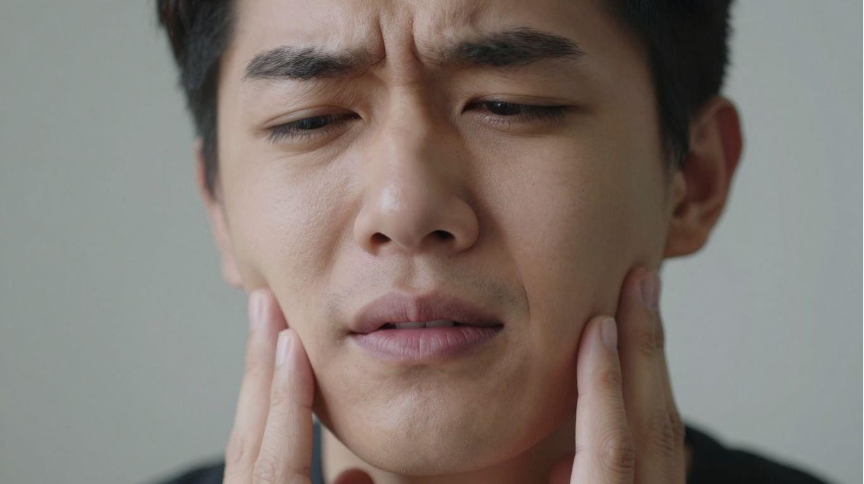
Getting a dental implant is a big step toward a healthier smile, but the recovery period can sometimes come with discomfort. It's totally normal to wonder about pain after dental implant surgery and how to handle it. This guide is here to help you understand what to expect and give you some practical tips on how to relieve pain after dental implant surgery, making your healing process smoother. We'll cover everything from what's normal to what's not, and share some dental implant healing tips to reduce pain, including the best ways to reduce dental implant pain naturally.
Key Takeaways
- Manage pain with over-the-counter or prescribed medications as your dentist advises. Taking them before the anesthetic wears off can help.
- Use cold compresses on your cheek for the first 48 hours to reduce swelling, then switch to warm compresses after 72 hours to aid circulation.
- Stick to soft foods like soups, yogurt, and mashed potatoes, and avoid chewing directly on the implant site to prevent irritation.
- Maintain good oral hygiene with gentle brushing and recommended rinses, but avoid vigorous swishing for the first day.
- Rest is important; limit physical activity for a few days and sleep with your head elevated to minimize swelling and discomfort.
Understanding Dental Implant Discomfort
Getting a dental implant is a big step toward restoring your smile, but it's natural to wonder about the discomfort that might come with it. While the implant placement itself is done with anesthesia so you shouldn't feel pain during the procedure, the healing period afterward can involve some soreness. Think of it like any other minor surgery; your body needs time to recover.
Most patients experience discomfort that is manageable and follows a predictable timeline. The initial pain and swelling are usually most noticeable in the first 24 to 72 hours after the surgery. This is when your body is actively responding to the procedure. As the days go by, this discomfort typically lessens. By the end of the first week, many people find their pain has significantly decreased, though deeper healing continues under the gums with minimal discomfort. Soreness from dental implants typically lasts a few days to about a week.
Several factors can influence how much discomfort you feel:
- The complexity of the surgery: If your procedure involved bone grafting or other additional steps, you might experience more soreness than with a straightforward implant placement.
- Your individual healing response: Everyone's body heals a bit differently.
- Location of the implant: Some areas of the mouth may be more sensitive than others.
It's important to know what to expect so you can prepare and manage your recovery effectively. Understanding the normal range of discomfort helps you distinguish between typical healing sensations and signs that might require a call to your dental professional.
While some level of discomfort is normal after dental implant surgery, it's usually not severe and can be effectively managed with the right care and attention. The goal is to make your healing process as smooth and comfortable as possible.
What Causes Pain After Dental Implant Placement
Pain from dental implant placement generally comes from the body's response to the surgical procedure itself. Most pain after implant surgery is a normal part of healing and should improve each day. Tissue and bone must be cut and moved to make space for the implant, which results in common discomfort like swelling, bruising, and tenderness in the area.
Key causes of pain after dental implant placement include:
- Surgical trauma to the gums and jawbone, leading to inflammation and swelling.
- The body’s natural healing process producing soreness and minor bruising during the first few days.
- Additional procedures—like bone grafts or sinus lifts—done alongside the implant often increase the level and length of discomfort.
- Irritation or injury to nerves in the area, though this is less common, may create tingling or unusual sensations.
- Infection or ongoing inflammation, while rare, can cause pain that doesn't improve as expected.
It's completely normal to experience mild pain from dental implant placement, especially in the days following surgery. Any pain that gets worse or doesn't improve should be reported to a dental professional so it's addressed quickly.
In summary, while a little discomfort is expected, severe or lingering pain is not typical and may require further assessment. Keeping track of your symptoms and understanding their cause can help you recover comfortably and with fewer worries.
What Normal vs. Concerning Implant Pain Feels Like
It's pretty normal to feel some discomfort after getting a dental implant. Think of it like any other surgical procedure – your body needs time to heal, and that can come with a bit of soreness.
Most of the time, the pain you feel will follow a predictable pattern. In the first 24 to 72 hours after surgery, you might experience the most significant soreness and swelling. This is your body's natural response to the procedure. You might also notice some bruising. As the local anesthetic wears off, you'll likely feel tenderness around the implant site. This initial discomfort should gradually get better over the next week or two. By the second week, the pain should be much milder and easier to manage.
However, there are times when pain might signal a problem. If your pain gets worse instead of better after the first few days, or if it's so severe that over-the-counter pain relievers don't help, it's worth checking in with your dental professional. Other signs to watch out for include:
- A fever developing.
- Increasing swelling that doesn't start to go down after day three.
- Pus or a bad taste in your mouth, which could indicate an infection.
- Heavy or uncontrollable bleeding.
- Sudden numbness in your mouth or face.
- Feeling like the implant itself is loose.
If you experience any of these warning signs, don't hesitate to reach out to your dentist or oral surgeon. They can figure out what's going on and make sure you get the right care to keep your healing on track.
Sometimes, the type of procedure can influence how you feel afterward. If you had additional work done, like a bone graft or a sinus lift, you might expect a bit more soreness and swelling for a longer period. This is usually still within the normal range of healing, but it's good to be aware of.
Immediate Ways to Relieve Dental Implant Pain
Experiencing some discomfort after dental implant surgery is pretty normal. It's your body's way of saying it's healing. Luckily, there are several straightforward things you can do right away to make yourself more comfortable and help the process along. These methods are key for managing pain and promoting good healing.
- Apply Cold Compresses: For the first 24 to 48 hours, using a cold compress can really help. Wrap an ice pack or a bag of frozen peas in a thin towel and gently hold it against the outside of your cheek, near the implant area. Do this for about 15-20 minutes at a time, with breaks in between. This helps reduce swelling and can numb the area a bit, offering some relief. It's one of the simplest ways to manage discomfort.
- Take Pain Medication as Recommended: Your dentist will likely suggest over-the-counter pain relievers like ibuprofen or acetaminophen. If the pain is more significant, they might prescribe something stronger for a short period. It's really important to take these exactly as directed. Don't take more than recommended, and try to take them with food to avoid upsetting your stomach. This is a direct way to manage pain after dental implant surgery.
- Stick to a Soft Diet: For the first few days, your mouth needs a break. Eating soft foods means less chewing and less pressure on the implant site. Think mashed potatoes, yogurt, smoothies, soups, and scrambled eggs. Try to chew on the opposite side of your mouth to keep pressure off the surgical area. Avoiding hot, spicy, or crunchy foods will also prevent irritation.
- Rest with Your Head Elevated: When you sleep or rest, try to prop your head up with a couple of extra pillows. This simple step can help reduce swelling by preventing blood from pooling around the implant site. It might feel a little strange at first, but it can make a big difference in how you feel.
- Gentle Saltwater Rinses: After the first day, rinsing your mouth gently with warm salt water can be very soothing. Mix about a teaspoon of salt into a cup of warm water. Swish it around carefully for about 30 seconds, then let it drain out – don't spit forcefully. This can help keep the area clean and reduce inflammation. It's one of the best dental implant healing tips to reduce pain.
Remember, these are immediate steps to help you feel better. Following your dentist's specific instructions is always the most important part of recovery. Don't hesitate to reach out to your dental professional if you have any concerns about your pain levels or healing process.
These strategies are all part of the best ways to reduce dental implant pain naturally and effectively. By incorporating these dental implant healing tips to reduce pain, you can make your recovery much smoother. You'll find that these approaches help you reduce pain after fixing dental implants and get back to your normal routine faster.
Eating and Lifestyle Adjustments That Support Comfort
Taking care of yourself after dental implant surgery involves more than just managing pain. What you eat and how you live in the days and weeks following the procedure can make a big difference in how comfortable you feel and how well you heal.
Focus on soft foods initially to avoid putting stress on the implant site. Think along the lines of smoothies, yogurt, mashed potatoes, soups, and scrambled eggs. It's really important to avoid anything hard, crunchy, or chewy, especially on the side of your mouth where the implant is. Also, steer clear of anything too hot or too spicy, as these can irritate the healing tissues. As you feel better, you can gradually reintroduce more solid foods, but always chew carefully and avoid the implant area.
Staying hydrated is also key. Drink plenty of water throughout the day. This helps with healing and keeps your mouth feeling fresh.
When it comes to activity, take it easy for the first few days. Avoid any strenuous exercise or heavy lifting. These kinds of activities can increase blood pressure and potentially lead to bleeding or swelling. It's best to rest and let your body focus on healing. You'll likely feel tired, and that's normal. Listen to your body and don't push yourself.
Sleeping can also be a bit tricky at first. Try to sleep with your head elevated. Using a couple of extra pillows can help reduce swelling and make it easier to get comfortable. This position helps prevent blood from pooling around the implant.
Maintaining good oral hygiene is important, but you need to be gentle. Your dentist will likely recommend specific rinses, like a saline solution or a prescription rinse. Avoid vigorous swishing, especially in the first 24 hours, as this can disrupt the healing site. When brushing, use a soft-bristled toothbrush and be very careful around the implant area. Don't use electric toothbrushes or water flossers near the implant until your dentist gives you the okay.
Making these small adjustments to your diet and daily routine can significantly ease discomfort and promote a smoother recovery process. Patience and gentle care are your best allies during this healing period.
Wrapping Up Your Recovery
Getting a dental implant is a big step toward a healthier smile, and while some discomfort is normal afterward, it doesn't have to be overwhelming. By sticking to the advice we've covered – like using cold packs, taking your pain meds as directed, eating soft foods, and keeping the area clean – you're setting yourself up for a smoother healing process. Remember, everyone's recovery is a little different, so pay attention to how you're feeling. If anything seems off or your pain isn't getting better, don't hesitate to reach out to your dental team. They're there to help you get back to feeling great. Contact Dr. Eric Yao, DDS today to learn effective ways to manage dental implant pain and ensure proper healing.
Frequently Asked Questions
Will getting a dental implant hurt?
During the actual procedure, dentists use special medicine to make the area completely numb, so patients don't feel pain. After the numbness wears off, some soreness is normal, but it's usually manageable with pain medicine.
What causes pain after a dental implant?
Pain after getting an implant happens because the body is healing. The surgery involves working with the gums and bone, which naturally causes some swelling and soreness. If extra steps like bone grafting were needed, there might be a bit more discomfort.
How long does the pain from a dental implant usually last?
Most of the discomfort and swelling typically happens in the first 24 to 72 hours after the surgery. After that, things usually get better each day. By the second week, most people find their pain is mild and easy to handle.
What are the best ways to ease pain right after the surgery?
Using a cold pack on your cheek can help a lot with swelling and pain in the first couple of days. Taking pain medicine as your dentist suggests is also very important. Eating soft foods and resting are key too.
When should someone be worried about pain after a dental implant?
It's important to call your dentist if you have a fever, if the swelling gets worse after three days, if you see pus or notice a bad taste, if the pain doesn't get better with medicine, if there's heavy bleeding, or if you suddenly lose feeling in an area.
Can I eat normally after getting a dental implant?
No, not right away. For the first few days, it's best to stick to soft foods like soup, yogurt, or mashed potatoes. You should also try to chew on the other side of your mouth, away from the implant, to avoid putting pressure on the healing area.
Blog Post Author

Contributed by DentalROI
DentalROI provides relevant dental content to help providers educate patients. The statements, services, and products referenced in this article have not been evaluated by the Food and Drug Administration, and they are not intended as a substitute for professional medical advice, diagnosis, or treatment. Always seek the advice of your dental provider with any questions or issues you may have. Specific recommendations may vary in different circumstances, so individual consultation is important.