
Electric Toothbrush vs. Manual: Which Is Better for Gum Health?
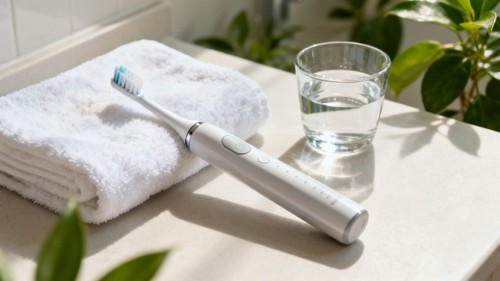
The basic job is the same: loosen plaque and clean along the teeth and gumline. A manual toothbrush relies entirely on the movement, angle, and pressure you provide, while an electric brush moves the bristles for you. Neither one can replace consistent brushing or professional dental care. At Dr. Eric Yao Family Dentistry in Shoreline, Washington, we help patients figure out which option actually fits their routine and gum health needs.
How Each Type Cleans Your Teeth and Gums
With a manual brush, you guide the bristles across each tooth in small, controlled motions. That gives you plenty of control, but it also means you can rush, miss areas, or press too hard without realizing it. An electric brush supplies the brushing motion, so you can focus more on positioning the head at the gumline and reaching the back teeth. The difference is less about the label on the handle and more about what happens during each brushing session. If your gums bleed often, feel tender, or appear to be pulling away from your teeth, a periodontal evaluation can help identify the cause rather than simply recommending a new brush.
Key Benefits of an Electric Toothbrush
Electric brushes can make the physical routine feel more structured. Their powered movement may help people who struggle with hand mobility, inconsistent brushing, or keeping track of brushing time. They can also make it easier to use a light touch, which is helpful when gum tissue is already irritated. A few everyday advantages may make an electric model easier to stick with:
- A timer can help you brush for a consistent duration
- A pressure alert may discourage forceful scrubbing
- A smaller powered head can make it easier to reach individual teeth
- A guided routine can help you spend time on less noticeable areas
These features do not make brushing automatic, but they can remove some common obstacles. Gentle, consistent brushing is still the habit that protects the gumline over time.
What to Look for When Choosing a Toothbrush
Start with a soft brush head and a handle that feels easy to control. A pressure sensor can be useful if you tend to scrub, while a timer can support a complete session. Replacement heads should be easy to find, since frayed bristles are less comfortable and can encourage rough brushing.
| Feature | Why It May Help | What to Keep in Mind |
|---|---|---|
| Soft brush head | Feels gentler along sensitive gums | Replace it when bristles fray |
| Pressure sensor | Reminds you to reduce force | Treat it as a guide, not a diagnosis |
| Two-minute timer | Supports a consistent routine | Still move around the whole mouth |
| Compact head | Helps reach back teeth and tight areas | The right size depends on your mouth |
A feature is worthwhile when it changes your behavior for the better. If a brush leaves your gums sore, adjust the pressure and technique first, then ask our team whether the brush or an underlying condition is the problem.
Is a Manual Toothbrush Still Effective?
Yes, a manual toothbrush can be effective when you use it carefully and regularly. It does not need charging, fits easily in a travel bag, and lets you control the pace and pressure directly. The main weakness of a manual brush is not that it cannot clean teeth — it is that the user has to supply every movement and remember every area. Rushing through the back teeth or brushing with a sawing motion can leave plaque behind and irritate the gumline.
Proper Brushing Technique Matters Most
Hold the brush at roughly a gentle angle toward the gumline and use short, light strokes. Clean the outer, inner, and chewing surfaces of each tooth, giving extra attention to places that are easy to skip. Two minutes is a useful target, but careful coverage matters more than racing through a timer. A simple routine can make manual brushing more reliable:
- Divide your mouth into four areas so none are forgotten
- Use light pressure and let the bristle tips do the work
- Brush the outside, inside, and chewing surface of every tooth
- Finish by cleaning the tongue and rinsing the brush
Afterward, your gums should not feel scraped or painful. If the bristles spread quickly, you are probably pressing too hard; if bleeding continues despite gentle cleaning, arrange a dental evaluation rather than switching brushes repeatedly.
Which Toothbrush Is Right for Your Gum Health?
The right toothbrush is the one that helps you clean all tooth surfaces without irritating your gums. An electric model may suit you if a timer, powered motion, or pressure reminder helps you brush more consistently. A manual model may be the better fit if you already have good technique and prefer a simple, portable option. Gum health also depends on more than the brush: daily cleaning between teeth, regular preventive dental visits, a balanced diet, and attention to changes such as swelling or persistent bleeding all matter.
According to MouthHealthy, the American Dental Association's consumer resource, both manual and electric toothbrushes can effectively and thoroughly clean teeth — what matters most is brushing twice a day for two minutes with a fluoride toothpaste and choosing a brush that carries the ADA Seal.
Conclusion
Both electric and manual toothbrushes can support healthy gums when paired with gentle technique and regular care. Electric brushes offer useful guidance and convenience, while manual brushes remain effective in practiced hands. Choose the option that helps you clean consistently, and speak with our team about bleeding, pain, swelling, or other ongoing symptoms. You can contact our Shoreline office to schedule a checkup.
Frequently Asked Questions
Is an electric toothbrush better than a manual toothbrush for gum health?
Not automatically. An electric brush may make gentle, thorough brushing easier for some people, while a manual brush can work well with careful technique and consistent use.
Can an electric toothbrush stop gum disease?
No. It can help remove plaque from tooth surfaces, but gum disease requires proper evaluation and may need professional treatment.
Should I use a soft-bristled toothbrush for sensitive gums?
A soft-bristled brush is often more comfortable for sensitive gums, especially when used with light pressure. Ask our team if sensitivity or bleeding persists.
How long should I brush my teeth?
Aim for about two minutes, twice a day, while covering the outer, inner, and chewing surfaces of every tooth.
Can brushing too hard damage gums?
Yes. Excessive pressure can irritate gum tissue and contribute to wear near the gumline. Use a light touch and avoid aggressive back-and-forth scrubbing.
How often should I replace my toothbrush or brush head?
Replace it when the bristles become frayed or roughly every three to four months, unless a dental professional gives you different advice.
About the Author
Dr. Eric Yao Family Dentistry is a general dental practice located at 1515 N. 200th St. in Shoreline, Washington. Dr. Eric S. Yao, DDS, MAGD, LLSR earned his Doctorate of Dental Surgery from the University of Washington School of Dentistry in 1998 and has practiced in Shoreline since 2003. He holds Mastership in the Academy of General Dentistry (MAGD), an achievement held by less than one percent of general dentists, and received the AGD's 2020 Lifelong Learning and Service Recognition award. Dr. Yao is a member of the American Dental Association, the Washington State Dental Association, and the Seattle-King County Dental Society, and teaches as an affiliate professor at the University of Washington Dental School.
Medical Disclaimer
The information provided in this article is for educational purposes only and does not constitute professional medical or dental advice, diagnosis, or treatment. The best toothbrush and technique for your gum health can only be determined through an in-person dental evaluation. Always seek the advice of your dentist or other qualified health provider with any questions regarding a dental condition. Never disregard professional advice or delay in seeking it because of something you have read here.
Blog Post Author

Contributed by DentalROI
DentalROI provides relevant dental content to help providers educate patients. The statements, services, and products referenced in this article have not been evaluated by the Food and Drug Administration, and they are not intended as a substitute for professional medical advice, diagnosis, or treatment. Always seek the advice of your dental provider with any questions or issues you may have. Specific recommendations may vary in different circumstances, so individual consultation is important.