
Best Floss for Tight Teeth: A Dentist's Recommendations
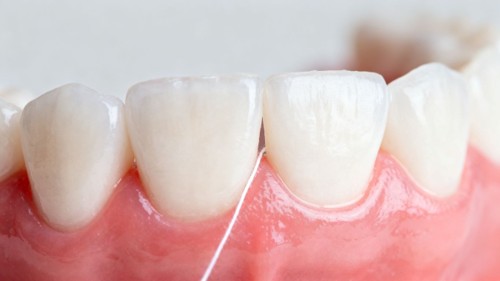
When teeth sit close together, brushing alone may leave plaque and food caught in narrow spaces. Flossing helps clean along the sides of the teeth and near the gumline, where toothbrush bristles may not reach well. The best floss for tight teeth is usually the one that slides through comfortably without shredding or forcing its way between the teeth. At Dr. Eric Yao Family Dentistry in Shoreline, Washington, we help patients find a flossing routine that actually fits their teeth and hands.
Common Problems With Traditional Floss
Traditional string floss can be frustrating when contacts are especially tight. It may catch at the point where the teeth meet, snap, or fray before you can clean both sides properly. Forcing it downward can also make the gums sore, so use a gentle back-and-forth motion instead of pushing straight through. A little resistance is normal, but sharp pain or repeated bleeding deserves attention from a dental professional. If the same spot always feels impossible to clean, the issue may involve tooth shape, crowding, a filling, or gum irritation rather than the floss alone — our periodontal team can take a look.
Best Floss Options for Tight Teeth
The right floss depends on how narrow the spaces are and how the material feels in your hands. Thin floss, smooth monofilament floss, and lightly coated varieties can be easier to guide through close contacts than bulky or loosely woven options. Try to choose a type that moves through the contact and can still hug each tooth in a gentle C shape.
Waxed vs. Unwaxed Floss Explained
Waxed floss has a coating that can help it glide through tight contacts and resist fraying. Unwaxed floss may feel thinner and provide more friction against the tooth, but it can be more likely to shred when spaces are extremely narrow. Neither option is automatically best for every mouth — the practical test is whether the floss passes through without snapping and remains intact for the next tooth.
| Floss Type | Potential Advantage | Possible Drawback | Often Suits |
|---|---|---|---|
| Waxed floss | Smooth movement through contacts | May feel slightly thicker | Tight contacts that snag ordinary floss |
| Unwaxed floss | Thin, textured feel | May fray more easily | People who prefer more grip |
| Thin monofilament floss | Usually smooth and shred-resistant | Can feel less familiar at first | Very close or crowded contacts |
The table is a starting point, not a rule. If waxed floss slides through cleanly, there is no reason to switch simply because the teeth are close; if it feels too bulky, a thinner option may be more comfortable.
Water Flosser vs. String Floss
A water flosser and string floss clean in different ways, so the comparison is less about finding one universal winner and more about finding a method you will use well. String floss physically wipes along the tooth surfaces, while a water flosser directs a stream around the teeth and gumline. People with limited hand mobility, orthodontic appliances, or a strong dislike of string floss may find a water-based routine easier to maintain. For very tight contacts, string floss gives you direct control over the area where the teeth touch, while a water flosser can still be useful for rinsing away loose debris around areas that are difficult to reach.
Floss Picks vs. String Floss
Floss picks hold a short piece of floss on a small handle, which makes them convenient for travel, quick touch-ups, and people who find winding floss around their fingers awkward. String floss offers more material to work with and can be adjusted around each tooth. When weighing the two against your actual routine:
- Floss picks are quick to handle and easy to carry
- String floss provides more control around each tooth
- Picks may be less flexible in crowded or difficult-to-reach areas
- Either method is less effective if it is used only occasionally
Convenience is valuable when it leads to daily use. If a pick is the only tool you will use consistently, it may be a better practical choice than string floss that never gets started; just use a light touch and avoid snapping it into the gums.
A Dentist's Final Recommendation
Start with a thin, smooth floss that passes through your tightest contacts without excessive force. Waxed floss is often a sensible first try because it can glide more easily, while an unwaxed or other thin option may suit you better if the coated floss feels too thick. Use a fresh section of string floss as you move from space to space, and curve it around each tooth rather than sawing aggressively. According to MouthHealthy, the American Dental Association's consumer resource, cleaning between your teeth once a day helps remove plaque and food particles that a toothbrush cannot reach, regardless of which tool you choose.
Persistent bleeding, pain, bad taste, or a contact that cannot be cleaned should be discussed with a dentist rather than solved by switching products repeatedly. Our team can also review your technique at a preventive dental visit.
Conclusion
For close contacts, look for floss that is thin, smooth, and strong enough to pass through without shredding. Waxed floss, unwaxed floss, floss picks, and water flossers can all have a place, but comfortable daily use and careful technique are what make the routine worthwhile. You can contact our Shoreline office if a specific area keeps giving you trouble.
Frequently Asked Questions
What is the best floss for tight teeth?
A thin, smooth floss that passes through the tightest contacts without snapping or causing discomfort is usually a good choice. Waxed floss may glide more easily, while some people prefer a thinner unwaxed or monofilament option.
Should I use waxed or unwaxed floss for crowded teeth?
Waxed floss can be easier to guide through narrow spaces and may resist fraying. Unwaxed floss can feel thinner, but it may shred more readily. Try the type that moves through cleanly and stays intact.
Can flossing loosen tightly spaced teeth?
Normal, gentle flossing does not loosen healthy teeth. If a tooth feels loose or flossing causes persistent pain, arrange a dental examination rather than changing your technique repeatedly.
Is a water flosser as good as string floss?
They clean in different ways. String floss gives direct contact with the tooth surface, while a water flosser uses a stream of water. The better option is often the one you can use correctly and consistently.
Are floss picks effective between tight teeth?
Floss picks can remove debris between teeth when used carefully. Their fixed piece of floss may offer less control around each tooth than string floss, so take time to clean both sides of every contact.
Why does floss keep breaking between my teeth?
Repeated breakage may mean the contact is very tight, the floss is too bulky, or a filling or dental problem is affecting the space. Try a thinner floss and mention the persistent area at your next dental visit.
About the Author
Dr. Eric Yao Family Dentistry is a general dental practice located at 1515 N. 200th St. in Shoreline, Washington. Dr. Eric S. Yao, DDS, MAGD, LLSR earned his Doctorate of Dental Surgery from the University of Washington School of Dentistry in 1998 and has practiced in Shoreline since 2003. He holds Mastership in the Academy of General Dentistry (MAGD), an achievement held by less than one percent of general dentists, and received the AGD's 2020 Lifelong Learning and Service Recognition award. Dr. Yao is a member of the American Dental Association, the Washington State Dental Association, and the Seattle-King County Dental Society, and teaches as an affiliate professor at the University of Washington Dental School.
Medical Disclaimer
The information provided in this article is for educational purposes only and does not constitute professional medical or dental advice, diagnosis, or treatment. The right flossing method and technique for your teeth can only be determined through an in-person dental evaluation. Always seek the advice of your dentist or other qualified health provider with any questions regarding a dental condition. Never disregard professional advice or delay in seeking it because of something you have read here.
Blog Post Author

Contributed by DentalROI
DentalROI provides relevant dental content to help providers educate patients. The statements, services, and products referenced in this article have not been evaluated by the Food and Drug Administration, and they are not intended as a substitute for professional medical advice, diagnosis, or treatment. Always seek the advice of your dental provider with any questions or issues you may have. Specific recommendations may vary in different circumstances, so individual consultation is important.