
Baby Teeth vs Adult Teeth: What Parents Need to Know
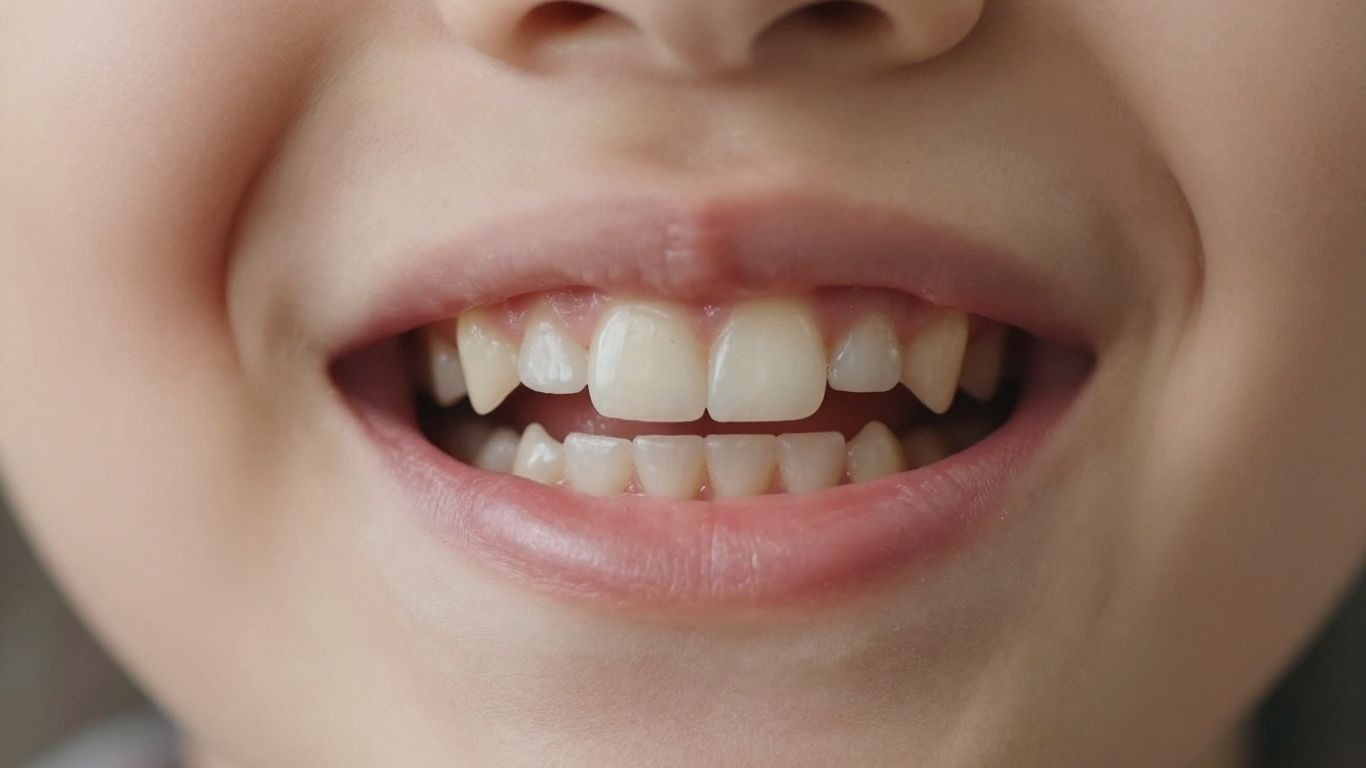
So, your little one's first tooth has popped through, or maybe they're starting to get a bit wobbly! It's a big deal, but have you ever stopped to think about how those tiny baby teeth are different from the permanent ones that will eventually take their place? Understanding the differences between baby teeth vs adult teeth is super helpful for making sure your child has a healthy smile now and down the road.
How are baby teeth vs adult teeth different?
It turns out, they're not just smaller versions of adult teeth. There are some pretty neat distinctions that matter for your child's overall health, how they talk, and, of course, their smile.
Here's a quick rundown of the main differences:
- Size and Number: Kids start with 20 baby teeth (also called primary or deciduous teeth). These are smaller than adult teeth. When all is said and done, adults end up with 32 permanent teeth, including those wisdom teeth that can sometimes cause a fuss.
- Enamel Strength: Baby teeth have thinner enamel, which is the hard outer layer that protects your teeth. This means cavities can form and spread more quickly in baby teeth. Adult teeth have thicker, stronger enamel, but they still need good care to stay healthy.
- Color: Baby teeth often look whiter than adult teeth. This is because their thinner enamel lets more of the yellowish dentin underneath show through. Adult teeth might look a bit more yellow, and that's totally normal.
- Roots: Baby teeth have shorter roots that are designed to dissolve over time, making them wobbly and ready to fall out. Adult teeth have much longer, stronger roots that anchor them for life.
Even though baby teeth are temporary, they play a huge role. They act as placeholders, guiding the permanent teeth into the correct position. If a baby tooth is lost too early due to decay or injury, the surrounding teeth can shift, potentially causing crowding or alignment issues for the adult teeth later on.
Knowing these differences helps you take the best care of your child's smile at every stage. It's all about building a strong foundation for a lifetime of healthy teeth!
When Do Kids Lose Baby Teeth? A Parent's Timeline
So, your little one is starting to wiggle a tooth? It's a big milestone! Most parents wonder about the timeline for losing baby teeth and when those permanent chompers will show up. It's a pretty standard process, but knowing what to expect can make it less stressful for everyone.
When do kids start to lose baby teeth?
Generally, the first baby teeth start to loosen and fall out around age six. It's not a hard and fast rule, though; some kids might be a little earlier, and others a bit later. The front bottom teeth are usually the first to go, followed by the front top ones. Think of it as a gradual swap.
Here's a rough idea of the timeline:
- Ages 6-7: Lower front teeth (central incisors) and upper front teeth (central incisors) typically fall out.
- Ages 7-8: Upper and lower lateral incisors (the teeth next to the front ones) start to come in.
- Ages 9-12: Molars in the back and canines (pointy teeth) usually make their exit.
It's important to remember that this is just an average. Every child develops differently, and a little variation is totally normal.
When do permanent teeth come in after baby teeth?
As soon as a baby tooth wiggles its way out, the permanent tooth underneath starts its journey to the surface. This process takes time. You'll often see the new permanent tooth start to peek through the gums a few months after the baby tooth is gone. The whole transition, from the first baby tooth falling out to the last permanent tooth coming in, can stretch over several years, usually finishing up by the time a child is around 12 or 13, with wisdom teeth being the last to appear much later.
Losing baby teeth is a natural part of growing up. These teeth aren't just placeholders; they help your child chew, speak, and maintain the proper spacing for adult teeth. Taking good care of them prevents issues down the road.
It's a slow and steady replacement. The goal is for the permanent teeth to erupt in the correct spot, which is why baby teeth are so important for guiding them. If a baby tooth is lost too early due to decay or an accident, it can cause the other teeth to shift, potentially leading to crowding or alignment problems for the adult teeth later on.
Children's Dental Care Guide for Healthy Smiles
Taking care of your little one's teeth from the start is super important, even before they have a full set of pearly whites. This children's dental care guide is all about making sure those baby teeth do their job and set the stage for a lifetime of healthy smiles. Think of it as building a strong foundation!
What should a children's dental care routine include?
A good routine isn't just about brushing; it's a whole package. Here’s what to aim for:
- Start Early: Even before teeth pop through, gently wipe your baby's gums with a soft, damp cloth after feedings. Once teeth appear, switch to a soft-bristled toothbrush with a tiny smear of fluoride toothpaste (about the size of a grain of rice). Brush twice a day, every day – once in the morning and definitely before bed.
- Fluoride is Your Friend: For kids aged 3 to 6, use a pea-sized amount of fluoride toothpaste. Make sure they spit it out and don't swallow it. You'll want to supervise brushing until they're about 8 years old and can do a thorough job themselves.
- Flossing Fun: As soon as two teeth start touching, it's time to introduce flossing. This gets those tricky spots between teeth where brushing can't reach.
- Regular Dental Visits: The first dental visit should happen by your child's first birthday or within six months of their first tooth erupting. These early visits help your child get used to the dentist and allow the dentist to check for any early issues.
Best kids dental health tips for every age
Here are some practical kids dental health tips to keep those smiles bright:
- Infants (0-1 year): Wipe gums daily. Use a rice-sized smear of fluoride toothpaste once teeth appear. Avoid putting babies to bed with a bottle of anything other than water. Never dip pacifiers in sugar or honey.
- Toddlers (1-3 years): Brush twice daily with a pea-sized amount of fluoride toothpaste. Start flossing when teeth touch. Limit sugary drinks and snacks. If using a bottle, only give it during meals and take it away by age one.
- Preschoolers (3-5 years): Continue brushing and flossing twice daily. Supervise brushing and ensure they spit out toothpaste. Encourage healthy eating habits and limit sticky, sugary snacks.
- School-Aged Kids (6+ years): Kids can usually brush and floss independently, but a quick check now and then is a good idea. Ensure they're using fluoride toothpaste and visiting the dentist regularly. Keep an eye on their diet and hydration.
It's easy to think baby teeth aren't a big deal because they fall out. But cavities in baby teeth can cause pain, make it hard to eat and speak, and can even affect how the permanent teeth grow in. Taking good care of them now really matters.
Remember, establishing these habits early makes it much easier for your child to maintain good oral health as they grow up. It’s all about making it a normal, positive part of their day!
Common Questions Parents Ask About Baby and Adult Teeth
It's totally normal to have a bunch of questions when your kiddo's smile starts changing. You see those little baby teeth wiggling out and bigger ones coming in, and you start wondering what's what. Let's clear up some of the common stuff parents ask.
Why do my kid's new teeth look yellower than their baby teeth?
This is a super common one! Baby teeth often look brighter white because their enamel is thinner. Adult teeth have thicker enamel, and sometimes that makes them appear a bit more yellow. It's usually totally normal and nothing to worry about. Think of it like this: the baby teeth were like a thin, white sheet, and the adult teeth are a thicker, slightly creamier blanket. Both are good!
Here's a quick rundown of how they differ:
- Size: Adult teeth are generally bigger than baby teeth.
- Number: Kids start with 20 baby teeth, but end up with 32 adult teeth (including wisdom teeth).
- Enamel: Adult teeth have stronger, thicker enamel, but baby teeth have thinner enamel, making them more prone to cavities.
- Roots: Baby teeth have shorter roots that dissolve, while adult teeth have long, strong roots meant to last.
When should I worry about a baby tooth falling out?
Baby teeth are like little placeholders. They keep the space open for the permanent teeth that are getting ready to pop through. If a baby tooth gets knocked out way too early, or if it has a really bad cavity that needs to be removed, the teeth next to it can start to drift into that empty spot. This can cause problems later on, like making it harder for the adult teeth to come in straight. It's always a good idea to chat with your dentist if a baby tooth comes out much sooner than expected.
Do baby teeth really matter if they're just going to fall out?
Oh, absolutely! Even though they're temporary, baby teeth are super important. They help your child chew food properly, which is key for getting good nutrition. They also help with clear speech development. Plus, as we just talked about, they hold the spot for adult teeth. Letting cavities go untreated in baby teeth can cause pain, infection, and can even affect the development of the permanent teeth underneath. So, yes, taking care of those baby teeth is a big deal!
Taking care of your child's teeth, whether they're the pearly white baby ones or the permanent ones coming in, is all about building a healthy foundation. Good habits now mean a healthier smile for life. It's not just about avoiding cavities; it's about supporting speech, proper eating, and overall confidence.
So, What's the Takeaway?
Alright, so we've talked a lot about baby teeth and adult teeth, and yeah, they're pretty different. But the main thing to remember is that both sets are super important for your kiddo. Those little baby teeth aren't just placeholders; they help with talking, eating, and even guide those bigger adult teeth into place. Taking care of them from the start, with good brushing and regular dentist visits, sets your child up for a lifetime of healthy smiles. It’s not about perfection, just about doing your best to keep those pearly whites healthy, whether they’re tiny or grown-up size.
Frequently Asked Questions
What's the main difference between baby teeth and adult teeth?
Baby teeth are smaller, whiter, and have thinner enamel than adult teeth. They also have shorter roots. Adult teeth are larger, may look a bit more yellow, and have stronger, longer roots designed to last a lifetime. Think of baby teeth as practice teeth that make way for the stronger, permanent ones.
Why are baby teeth important if they just fall out?
Baby teeth are super important! They act like placeholders, keeping the right amount of space for adult teeth to grow in straight. They also help kids chew food properly, speak clearly, and develop their jawbones. Losing a baby tooth too early can cause problems for the permanent teeth later on.
When should my child expect to start losing baby teeth?
Most kids start losing their baby teeth around age six. The first ones to usually go are the front teeth. After that, the rest of the baby teeth will gradually fall out over the next several years, making room for the permanent ones.
How many teeth do kids have, and how many do adults end up with?
Children typically have 20 baby teeth. As they grow, these teeth fall out and are replaced by 32 permanent adult teeth, which include molars and wisdom teeth.
What's the best way to care for my child's teeth?
Start good habits early! Brush your child's teeth twice a day with fluoride toothpaste (a tiny amount for little ones, pea-sized for older kids). Once teeth touch, start flossing daily. Regular dental check-ups, starting when the first tooth appears, are also key to keeping smiles healthy.
My child's permanent teeth look more yellow than their baby teeth. Is this normal?
Yes, that's completely normal! Baby teeth look whiter because their enamel is thinner, showing more of the yellowish dentin underneath. Adult teeth have thicker enamel and dentin, giving them a slightly more yellow appearance. It's a natural change as kids grow.
Blog Post Author

Contributed by DentalROI
DentalROI provides relevant dental content to help providers educate patients. The statements, services, and products referenced in this article have not been evaluated by the Food and Drug Administration, and they are not intended as a substitute for professional medical advice, diagnosis, or treatment. Always seek the advice of your dental provider with any questions or issues you may have. Specific recommendations may vary in different circumstances, so individual consultation is important.